DUI Drunk Driving Defense Attorney Tampa, Florida - Trial Law Specialist and Computer Law and Criminal Law - Criminal Law Information - Defense Attorney - Florida Dui Dwi BreathButton DUINewsButton Attorney Lawyer Tampa Dui Dwi InterviewButton Lawyer Tampa Dui Dwi SeminarButton Attorney Tampa
Dui Dwi Free Forms Tampa Florida DUI Fla Motor Sports EmailButton Dui Dwi Attorney Lawyer Tampa

DUIFLA.com Legal Terms Dictionary Tampa Bay/Sarasota Florida Criminal Defense Attorneys Lawyers experienced in assault, child molestation, date rape, domestic violence, drug arrest, dui, federal and juvenile crimes and many other types of criminal litigation. Find a Criminal Defense Attorney Near You
Abstract of judgment, Accessory, Acquittal, Action, Affidavit, Affirmed, Appeal, Arraignment, Arrest, Assault, Asset forfeiture (or attachment), Assistant U.S. Attorney, AUSA,
Bankrupt, Bond,
Capital Offense, Capital Punishment, Case, Charge, Civil forfeiture, Civil Lawyer, Clerk of the court, Complaint, Concealed Weapon, CCW, Continuance, Contraband, Conviction, Criminal Lawyer,
Damages, Defendant, Defense attorney, Deposition, Dismissal, Disorderly Conduct, Docket, Drunk Driving, DUI, DWI,
Embezzlement, Entrapment, Evidence, Extradition, Felony, Felony Firearm, Financial Litigation Unit, Fraud, Grand jury, Guilty,
Hearing, Indictment, Information, Jurisdiction, Jury,
Larceny, Lien, Motion, No true bill (also called a no bill), Not guilty, Order, Plea, Plea agreement, Pre-sentence investigation report, Pretrial conference, Pretrial interview, Probable cause, Probation, Probation Officer, PO,
Remand, Restitution, Sentence, Statute of limitations, Subpoena, Summons,
Testify, Testimony, Trial, True bill, Venue, Victim, Victim Impact Statement, Victim/witness coordinator, White-collar crime, Witness.

Get Help Today!
Toll Free   1-877-793-9290


DISCLAIMER:  The foregoing is not to be construed as legal advice to or for any specific individual. Always seek the advice of counsel for specific legal problems. The submission of this does not establish an attorney client relationship.
You should print the next screen to keep for your own records.
Abstract of JudgmentA certification from the U.S. District Court clerk that a judgment of restitution was entered against the defendant owing to the victim. If the defendant inherits, owns, or sells real property or holdings, these assets can then be attached at the state and local levels as well.
AccessoryOne who incites, aids, or abets a lawbreaker in the commission of a crime but is not present at the time of the crime. Also called accessory before the fact.
One who aids a criminal after the commission of a crime, but was not present at the time of the crime. Also called accessory after the fact.
AcquittalA legal finding that the criminal defendant has not been proven guilty of the charge beyond a reasonable doubt.
ActionThe case, cause, or controversy before the court.
AffidavitA written statement of facts made under oath before a notary or court officer.
AffirmedA legal finding by a higher court that the ruling or order of a lower court is valid and left to stand.
AppealA formal, written request to a higher court for relief from findings, decisions, or actions of the trial court.
ArraignmentThe first court hearing for a person accused of a crime. In the arraignment, the accused is advised of all pending charges, is asked to plead guilty or not guilty, and is advised of his or her rights in the justice process.
ArrestTaking physical custody of a person by lawful authority.
AssaultAn unlawful threat or attempt to do bodily injury to another.
The act or an instance of unlawfully threatening or attempting to injure another.
AssetAnything of value, including any interest (equity) in real or personal property. Assets can be used to satisfy an order for restitution, fines, assessments, or other costs imposed by a court.
Asset Forfeiture (or Attachment)A procedure by which a person's property is seized to pay judgments levied by the court.
Assistant U.S. Attorney, AUSAA federal prosecutor who represents the U.S. government and its citizens when a federal statute has been violated.
Bail BondAn assurance, usually backed by money, that a defendant will come to court as required if released from jail before trial.
BankruptBeing declared unable to pay one's debts.
BondAnother word used for bail in the criminal justice system.
Capital OffenseA crime so serious that capital punishment is considered appropriate.
Capital PunishmentThe penalty of death for the commission of a crime.
CaseAny proceeding, action, cause, or lawsuit initiated through the court system by filing a complaint, petition, information, or indictment.
ChargeA formal, written accusation that a person violated a law.
Civil ForfeitureThe loss of ownership of property used to conduct illegal activity.
Civil LawyerLawyer who litigates relating to the rights of private individuals and legal proceedings concerning these rights as distinguished from criminal, military, or international regulations or proceedings.
Clerk of the CourtAn officer of the court who is in charge of the court's administrative work.
ComplaintA formal accusation to the court that a person violated a law.
Concealed Weapon, CCWA concealed weapon. Dangerous weapons so carried on the person as to be knowingly or willfully concealed from sight, -- a practice forbidden by statute.
ContinuanceA postponement, for good cause, of a scheduled court event.
ContrabandProhibited or excluded by law or treaty; forbidden; as, contraband goods, or trade.
ConvictionA judgment of guilt against a criminal defendant.
Criminal LawyerLawyer that deals with crimes and their punishments.
DamagesThe monetary compensation recovered in the courts by a person who has suffered loss to his or her person, property, or rights through the unlawful act or negligence of another.
DefendantA person formally accused of violating a law.
Defense AttorneyA lawyer who legally represents the interests of a defendant.
DepositionOral statement made by a person before an officer authorized by the court to administer oaths.
DismissalThe dropping of a case by the judge without further consideration or hearing.
Disorderly ConductAn offense involving disturbance of the public peace and decency.
DocketA list of cases on the court's calendar.
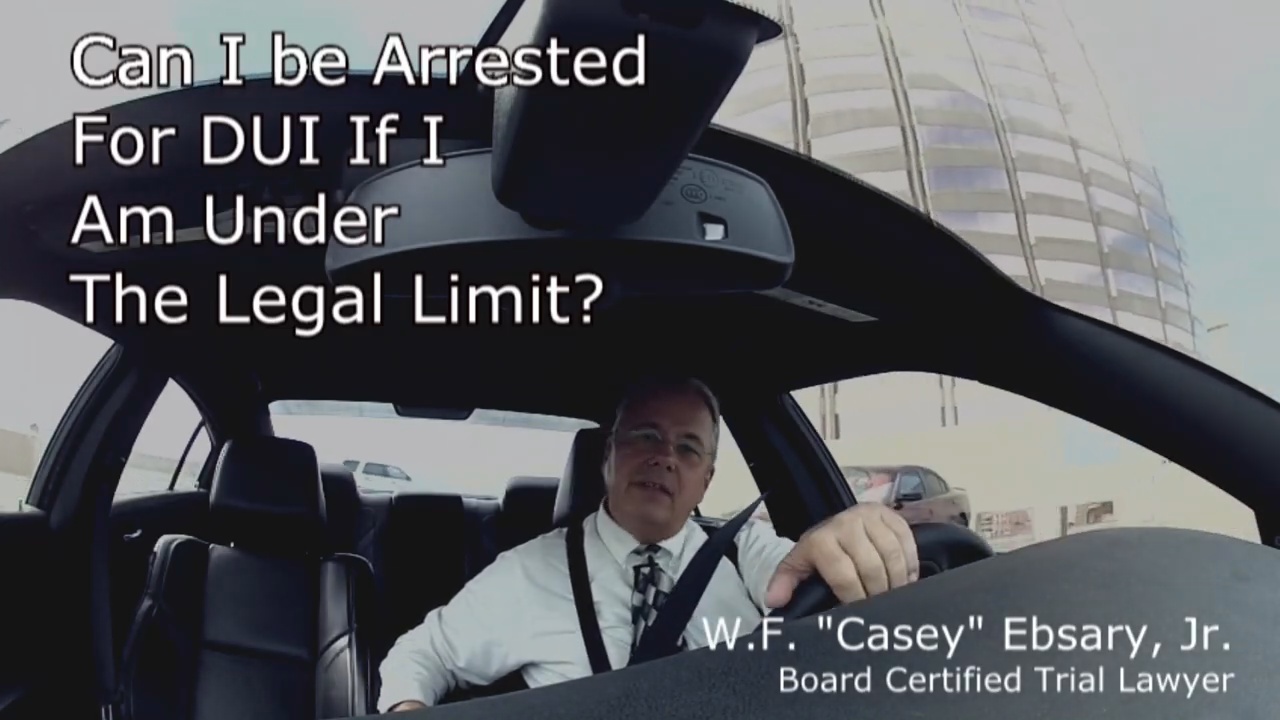
Drunk Driving, DUI, DWIDriving under the influence (of drugs or alcohol).
EmbezzlementThe fraudulent appropriation of funds or property entrusted to your care but actually owned by someone else. Larceny denotes a taking, by fraud or stealth, from another's possession; embezzlement denotes an appropriation, by fraud or stealth, of property already in the wrongdoer's possession.
EntrapmentTo catch in or as if in a trap. To lure into danger, difficulty, or a compromising situation. To lure into performing a previously or otherwise uncontemplated illegal act.
EvidenceThe documentary or oral statements and the material objects admissible as testimony in a court of law.
ExtraditionThe formal process of delivering an accused or convicted person from authorities in one state to authorities in another state.
FelonyA serious crime.
Felony Firearm A serious crime committed with a weapon, especially a pistol or rifle, capable of firing a projectile and using an explosive charge as a propellant.
Financial Litigation UnitA division of the civil section in the U.S. Attorney's Office responsible for the collection of fines and restitution.
FraudIntentional deception resulting in injury to another.
Grand JuryA panel of citizens who hear evidence collected by the federal prosecutor or his or her agent and then decide whether the evidence is sufficient to believe that a defendant violated a certain law and that the defendant should be formally charged.
GuiltyThe finding given by the court or jury in a criminal trial when the evidence presented shows "beyond a reasonable doubt" that the defendant committed the crime.
HearingA formal proceeding with one or more legal issues to be agreed upon or determined.
IndictmentA formal, written accusation by the grand jury that there is enough evidence to believe the defendant has committed a crime. An indictment is sometimes referred to as a true bill.
InformationThe formal written accusation charging a particular crime, brought by the federal prosecutor rather than by the grand jury.
JurisdictionThe power or authority of a court to hear and decide a case.
JuryA panel of citizens who listen to evidence presented at a trial and decide whether it proves the defendant violated a law or is financially liable.
LarcenyThe unlawful taking and removing of another's personal property with the intent of permanently depriving the owner; theft.
LienA claim or charge put on property for payment of a debt or performance of an obligation or duty.
MotionA written application to the court requesting an order or a ruling in favor of the applicant.
No True Bill (Also Called a No Bill)A legal procedure to dismiss charges against a defendant when the grand jury does not find enough evidence to charge the defendant with violating a law.
Not GuiltyThe finding given by the court or jury in a criminal trial when the evidence presented does not show "beyond a reasonable doubt" that the defendant committed the crime.
OrderA written direction of the court.
PleaThe defendant's answer (guilty or not guilty) to the charge made against him or her.
Plea AgreementAn arrangement between the federal prosecutor, the defense attorney, and the defendant in which the defendant agrees to plead guilty in exchange for special considerations.
Pre-sentence Investigation ReportA formal, written report prepared by the U.S. Probation Department for the court, before the sentencing hearing, that provides the judge with information about the defendant's background, the crime he or she has been convicted of, and the emotional, financial, or physical impact the crime had on the victim.
Pretrial ConferenceAn informal meeting between the federal prosecutor and the defense attorney to clarify issues and, where applicable, to attempt to work out a settlement before any further court filings and proceedings.
Pretrial InterviewAn informal discussion, before the trial, between the federal prosecutor or the defense attorney and witnesses to discuss their knowledge of the crime.
Probable CauseA reasonable ground for belief that the offender violated a specific law.
ProbationA form of punishment that allows the defendant to live in a community under the supervision of the court and a probation officer after he or she is found guilty or pleads guilty.
Probation Officer, POAn officer of the court who monitors the defendant's behavior to ensure that the defendant obeys all conditions of probation.
RemandA legal ruling by a higher court to send a case back to the lower court for further action.
RestitutionThe court-ordered payment of money by the defendant to the victim for damages caused by the criminal action.
SentenceThe length and conditions of punishment given by the court if the defendant is found guilty or pleads guilty.
Statute of LimitationsThe specified period during which a civil action or criminal charge can be made.
SubpoenaA written command for a person to appear at a certain place and time to give evidence in court about a crime or other legal matter. Also called a summons.
SummonsAnother word for subpoena used by the criminal justice system.
TestifyTo answer questions under oath in a legal proceeding.
TestimonyEvidence given by a witness under oath.
TrialA court proceeding in which testimony is presented to a judge or jury to determine whether the defendant is guilty of committing a crime.
True BillAnother word for indictment.
VenueThe place where the trial will be held (normally in the district in which the offense was committed).
VictimA person who has physically, financially, or emotionally suffered from the commission of a crime by another.
Victim Impact StatementA written or spoken statement by the victim or his or her representative about the physical, emotional, and financial impact of a crime on the victim. The statement is given to the court before sentencing.
Victim/Witness CoordinatorA person who provides information about the justice process to victims and witnesses of crime. In the federal system, victim/witness coordinators are employed by some law enforcement agencies and all U.S. Attorneys' Offices.
White-Collar CrimeA nonviolent criminal act involving deceit, concealment, subterfuge, or other fraudulent activity.
WitnessA person who has knowledge of a crime and provides that information to law enforcement officials.

 Your Rights as a Federal Crime Victim

You have a number of rights that must be recognized by the criminal justice professionals involved in your case. As a federal crime victim, you have the right to:

  • Be treated fairly and with respect for your dignity and privacy
  • Be reasonably protected from the accused offender
  • Be notified of court proceedings
  • Attend all public court proceedings related to the offense, unless the court determines that your testimony would be materially affected if you heard other testimony at the trial
  • Confer with the attorney for the government
  • Request and receive an order of restitution
  • Prepare a victim impact statement about the crime's emotional, financial, and physical impact on you for inclusion in the pre-sentence investigation report, which the court may order if the defendant is found or pleads guilty
  • Receive information about the conviction, sentencing, imprisonment, and release of the offender
  • Receive information and referrals to programs that can help you

If you have been identified as a federal crime victim of an FBI case, the FBI's victim/witness coordinator can provide you with additional information concerning your rights and assist you as a liaison regarding employment and credit issues. Each federal prosecutor has a victim/witness coordinator who can provide you with additional information about your rights and the services available to you and help you take advantage of them.

Restitution

Your greatest concern in the justice process may be the defendant's responsibility to repay your financial losses. Unfortunately, the chance of recovery is usually small. Many defendants will have spent your money and will not have sufficient assets to repay you. Additionally, restitution payments may be delayed if the defendant is sentenced to jail or prison. (Most restitution payments begin only after the defendant is released.)

The federal criminal justice system has made repayment to crime victims a priority. Here are some of your legal options.

Court-Ordered Restitution. The court must order restitution for federal fraud crimes committed after April 24, 1996, regardless of the defendant's ability to pay. (For crimes committed on or before that date, the judge may consider the defendant's ability to pay.) The court sets the amount of restitution, the order in which victims will be paid (if there are multiple victims, usually those with the most pressing financial needs are paid first), and conditions for repayment. You will be required to submit a documented account of your financial losses before the judge orders restitution. (That account can be submitted as part of the pre-sentence investigation report or the victim impact statement.) Losses that can be considered for restitution include:

  • Money lost directly in the fraudulent act
  • Expenses for travel to and from court proceedings (except for travel expenses reimbursed by the government)
  • Lost wages
  • Payments for medical or mental health treatment for conditions caused by the crime

Some financial losses are not eligible for restitution. Among them are:

  • State or federal taxes, interest, penalties, or fines assessed as a result of the fraudulent act
  • Expenses for private legal representation relating to personal or business legal issues raised by the crime
  • Fees for tax advisors, accountants, or other professionals
  • Legal expenses for the the civil recovery of financial losses

If you do not have access to all financial loss information at the time of sentencing, or if you incur additional losses not known at the time of sentencing, you may petition the court for an amended restitution order within 60 days of discovering those losses.

The victim/witness coordinator, federal prosecutor, and U.S. Probation Department will help you decide which financial losses to include in your request for restitution.

Restitution Payment Plan. The court will consider several issues before determining a restitution payment plan for the defendant:

  • The total amount of restitution payable to all victims
  • The number of victims
  • Real or personal assets of the defendant that can be liquidated, seized, or forfeited to satisfy the restitution order

If the court finds the defendant lacks sufficient assets to satisfy the restitution order, it may allow restitution through a payment plan monitored by the U.S. Probation Department. If the defendant fails to make the payments, the court can take several steps:

  • Revoke the defendant's probation or other supervised release
  • Modify the terms of the defendant's probation or supervised release
  • Hold the defendant in contempt of court
  • Order the sale of the defendant's property
  • Adjust the defendant's payment schedule

Seizure and Forfeiture of Assets. Within the federal prosecutor's office, the Financial Litigation Unit (FLU) works to uncover any assets the defendant may have that could be sold, seized, or forfeited to satisfy the restitution debt. All identified assets are brought to the court's attention so that a legal ruling can be made either to liquidate the assets or to place an attachment (lien) against them until restitution is paid in full. These liens are enforceable for 20 years from the time a defendant is released from prison. During that time, the FLU will continue to monitor the defendant's ability to repay his or her court-ordered costs. It is important to keep the federal prosecutor's office, especially the FLU, apprised of any changes in your contact information until you have been paid in full. If you have other questions about court-ordered restitution, contact the federal prosecutor and victim/witness coordinator.

Civil Recovery. Civil recovery is another option for recovering your financial losses, especially those not considered in the criminal justice system. Civil recovery is an action separate from the criminal prosecution, and filing a civil action does not preclude you from requesting restitution in the criminal case.

Civil cases are private matters. You have to initiate the action and hire a lawyer at your own expense. Sometimes a fraud case is pursued in both criminal and civil courts. To learn more about your civil options, contact an attorney with experience in civil law, or contact your local bar association for referrals. Be aware that civil cases must be filed within a specified time frame (legally defined as statute of limitations). Therefore, contact an attorney as soon as possible to find out the applicable statute of limitations in your state. If you proceed with civil recovery, notify the federal prosecutor or victim/witness coordinator.

If your loss is small, you may want to investigate filing a claim in small claims court. The amount of damages for which you can sue varies from state to state, as does the time frame you have for initiating a small claims court action. Contact the local clerk of the court to learn your jurisdiction's filing instructions, costs, damage limits, and time frames. Suits filed in small claims courts do not usually require the services of an attorney. To locate the clerk of the court, see the government section of your local phone directory.


Relevant DUI Pages

DUI Fla Law Current News
DUI Fla Lawyer Biography
Latest News in DUI Law
DUI Fla 2001 Suspension Laws
DUI Fla 2002 Suspension Laws
DUI Online Breath Test
DUI Fla Email
DUI Interview
DUI Online Seminar
DUI Fla FAQs
DUI Fla 10 Day Forms
DUI Fla Free Forms
DUI Fla Home
DUI legal terms
Tampa DUI Attorneys

Please submit all questions and comments to:
Law Office of Board Certified Criminal Trial Lawyer
W. F. "Casey" Ebsary, Jr.
1101 Channelside Drive Suite 244
Tampa FL 33602
813.222.2220
P.O. Box 1550
Tampa FL 33601
813.225.0202*(FAX)
* NOTICE: The publication of our fax number on this web sites is not to be construed as the firm's consent to received unsolicited fax advertisements, nor does it create an Existing Business Relationship (EBR).

Copyright © 2001, Copyright © 2002, Copyright © 2003, Copyright © 2004, Copyright © 2005, Copyright © 2006, Copyright © 2007, Copyright © 2008
The Law Office of W. F."Casey" Ebsary, Jr., Board Certified Criminal Trial Lawyer
All rights reserved.

Last revision:  June 29, 2008

The hiring of a lawyer is an important decision that should not be based solely upon advertisements.
Before you decide, ask the lawyer to send you free written information about their qualifications and experience.